


Thank you for agreeing to this interview! Can you tell us a bit about yourselves? How did you become involved with the Rojava revolution?
Tekoşîna Anarşîst is an anarchist organization that has been fighting in Rojava since 2017. We are internationalists who arrived from different parts of the world to support and learn from this revolution. Our own stories of how we got involved with the revolution are as diverse as we are, but we can see some common lines.
The war against ISIS brought the Kurdish revolutionaries into the spotlight of the international news, but it was the implementation of democratic confederalism that caught the attention of revolutionaries worldwide. That included many anarchists, since our political values are reflected in what the Kurdish comrades are doing: developing a stateless society based on local autonomy, women’s liberation, and ecology. Many of us learned about Rojava from the news, often taking action by joining or even starting solidarity committees in our localities. After the siege of Kobane in 2015, some started considering the idea of traveling here to join and defend the revolution.
Back then, the military defense against ISIS was the main destination of internationalists. Kobane shifted the tides of war, with the People’s Defense Units (YPG) and the Women’s Protection Units (YPJ) subsequently reorganizing their ranks inside what became the Syrian Democratic Forces (SDF). The formation of the International Freedom Battalion (IFB) in 2015 provided a frame for international groups to work in a more autonomous way, also enabling anarchists from different places to meet and organize together.
After the 2017 liberation of Raqqa, once the capital of the Islamic State, a deeper reflection about internationalism began. Up until that point, all sorts of internationals joined the Kurdish side of the war, more focused on the military side than the political goals of the revolution. Kurds welcomed them at the beginning: ISIS was an existential threat, not just for Kurds and for the Middle East but for the whole of humanity. But soon they understood that some of them were not the kind of people they wanted in their ranks, and stopped accepting people not politically aligned with the values of the revolution. Those reflections contributed to acknowledging the need for deeper connections with the Kurdish revolutionary movement, moving away from white saviour and colonialist mentalities embedded in many Westerners.
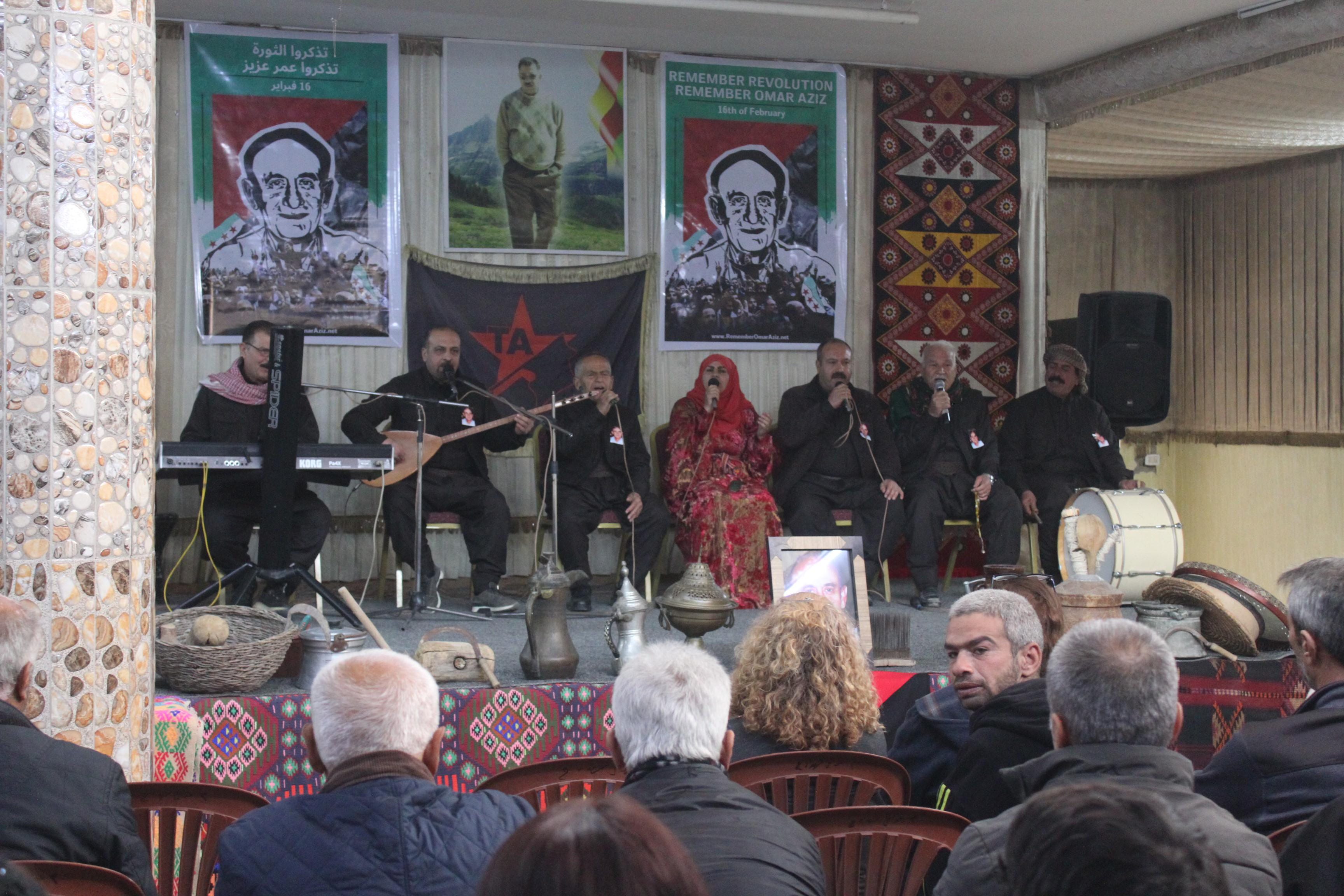
Learning to work in a Kurdish society was a necessary step, not only learning the language but also the cultural codes and the political culture, getting to know the people alongside whom we were fighting. This extraordinarily well-organized popular movement forced us to learn fast, to catch up with the amazing transformations going on. We went to Rojava dreaming about a stateless society, but seeing it in practice was another story. The women’s revolution is the most relevant feature of Rojava, with a wide movement where women were organizing their lives at all levels, from fighting in the front lines, to build houses to host and support women who suffer violence, from tracking and freeing Yezidi women who were kidnapped by ISIS as slaves.
Other important transformations in organizing society without a central government involved building a decentralized system that empowered municipalities as the main organs of administration. Many things we often take for granted are needed for a functional society: traffic police, schools, hospitals, justice system, trash collection, electrical infrastructure, agricultural water administration, etc. Without a State, those things need to be organized by the society itself, with all the challenges that it brings. Many international comrades with medical professions started to work with the health system, helping in hospitals and war injured rehabilitation centers. International volunteers with other skills worked where it was needed, from electricians to academics, journalists to mechanics, artists to ecologists. The revolution welcomed everyone.
There’s barely any news from the Democratic Autonomous Administration of North and East Syria (DAANES), not only from the mainstream media, but even in most leftist outlets. Even LeftEast–Red Threads’s precursor, which tried to systematically monitor the unfolding of the Rojava revolution–last published a major text about it in January 2024, which seems like an eternity ago. Can you tell us what has happened to DAANES since the Sunni opposition toppled the Assad regime in a lightning offensive in November-December 2024 and installed the former al-Qaeda emir in Syria, Ahmed al-Sharaa, as President of Syria? What has been happening earlier in the year, when these Islamist forces launched a full-scale attack on Rojava. Has some sort of agreement or at least a ceasefire been reached?
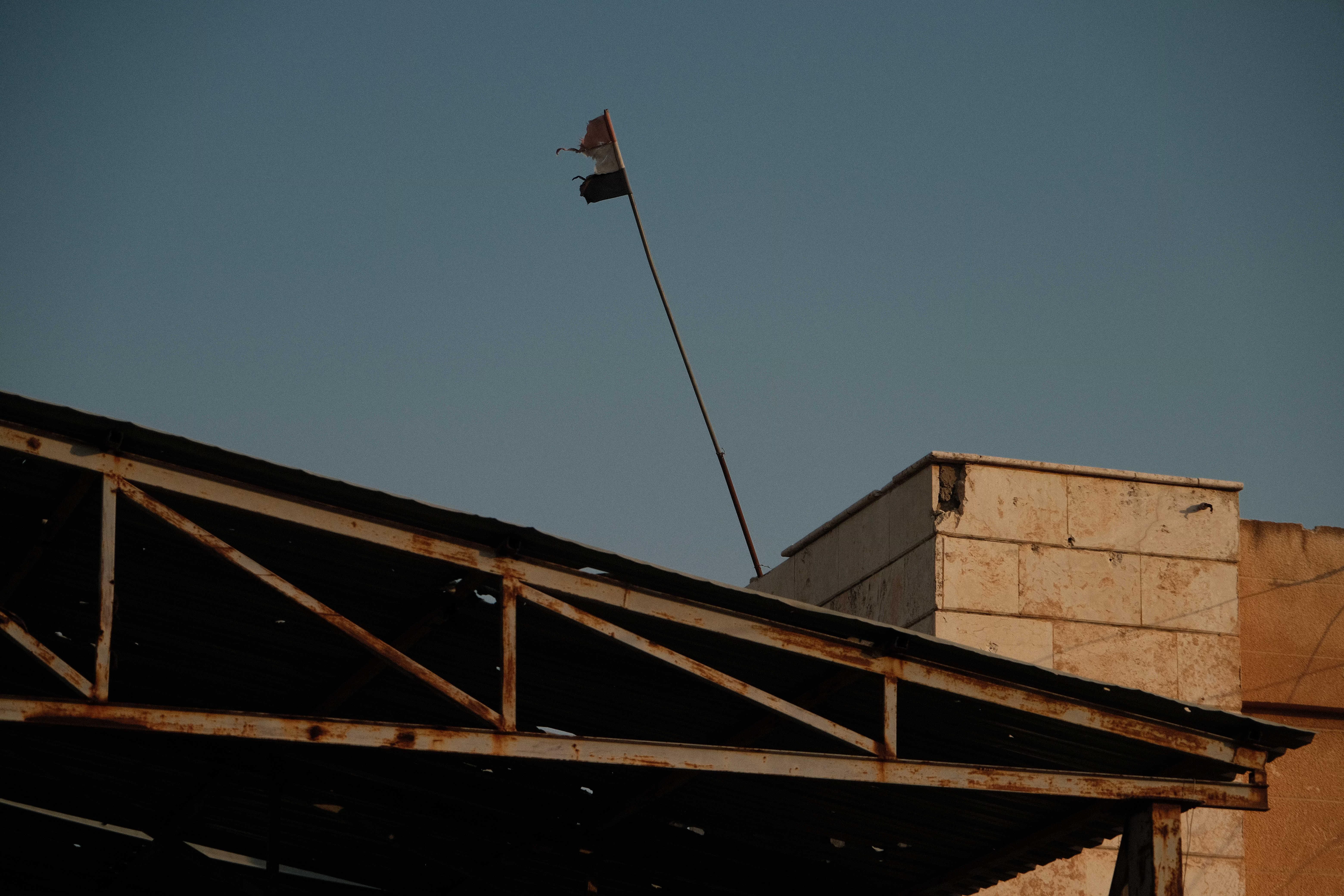
In February 2026 we wrote a long article explaining in detail what had happened since the collapse of the Assad regime. In short, we can say that the negotiations between the new Syrian government and the Autonomous Administration came to a point where the new powers used military force to impose their will. After a year of negotiations, in February 2026, a series of military attacks against the SDF combined with the US and other Western powers switching their support to the transitional government, shaped a new balance of forces in Syria. The new Syrian state now has Turkey as a main adviser. Israel has destroyed most modern military technology, and simultaneously expanded its occupation in the south of the country.
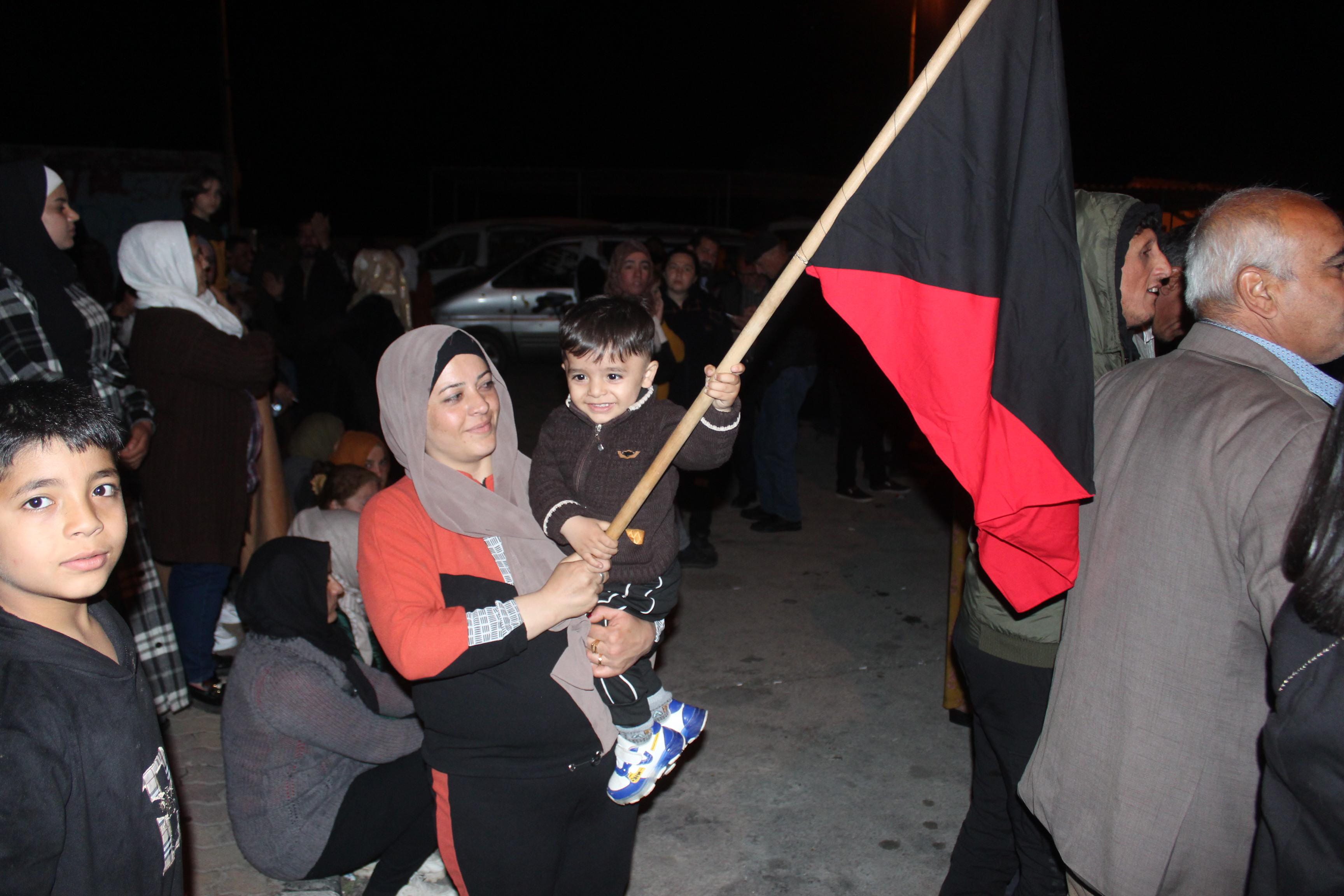
In order to prevent a bloodbath of its population, the Kurdish movement decided to recognize the authority of the new government and re-integrate DAANES into it. The Autonomous Administration was nominally suspended, but those who were part of the movement continue working to defend the achievements of the revolution. A ceasefire was reached for SDF to integrate into the new Syrian army, as a regional force that retains some autonomy in the Kurdish majority areas. Some positions of responsibility in the new administration were agreed, but military tension is still present. Government forces took control of SDF facilities in Arab majority areas and deployed small military contingents linked to the Defense Ministry in the big cities of Kurdish majority, mainly Hassakah and Qamishlo. Security in Kurdish areas is still administered by Assayish, local security forces created with the revolution, now with some degree of coordination with the Interior Ministry. As for today, negotiations and exchanges of prisoners are still ongoing between the transitional government and SDF.
Related to the previous question, the scant news about DAANES that we do get has little to do with the revolutionary process but about imperial geopolitics, whether of the hegemonic U.S.--which, unusually, is not the main villain in this story–or the more pernicious sub-imperialisms of Turkey and Israel. (With the fall of the Assad regime, Russia seems to have largely exited the picture, at least for now.) With the caveat that DAANES, as a political project, is struggling to survive, pitted as it is against militaries far superior to its own, bombarded by Turkish drones and jets, and economically strangled by a blockade, is it possible to pursue emancipatory politics domestically? If so, what forms does this take?
In just over a decade, the society of northern Syria experienced an incredible transformation. Geopolitical forces have their agendas, but the people on the ground are working to rebuild their societies. Even with the institutions of the self-administration dissolved, the neighbourhood communes continue organizing daily life. The women’s movement, the spearhead of the revolution, is defending the emancipation gains. Kongra Star, the umbrella organization of the women’s movement, continue working as before, sustaining the network of Mala Jin (Women’s House, a network of homes for women who suffered violence), coordinating the women’s cooperatives started during the revolution, organizing campaigns and mobilizations to defend women’s rights, including the YPJ campaign to confront the new government aiming to remove women from armed forces. Kurdish language and Kurdish identity are being recognized in Syria, the cultural development of the last decade and a half has strengthened them. Those political developments are not independent of geopolitics, but find ways to navigate it, working to prevent new military conflicts.
Turkish imperialism in Syria has a long history, especially since the mobilizations that started in 2011. Turkey has been fighting its internal Kurdish population for decades and has taken this fight to Syria. Now the Turkish army holds several bases in Syria, deploying expensive military equipment like drones and radars. Entire brigades of Turkish proxy forces have been integrated into the new Syrian army, some of their commanders recognized now as high-ranking officers in the new Syrian army. Turkish intelligence and the secret services (MIT) are deploying all over Syria, expanding their activity and black-ops against the Kurdish revolutionary movement in Syria. The ongoing negotiations of the last year between the Turkish government and Abdullah Ocallan, the incarcerated leader of the PKK, also paly a major role in Syria.
After decades of armed struggle, the PKK declared a ceasefire, dissolved the party and stopped the armed struggle. In return, they expect political recognition and a democratization of the Turkish State, but for now, the latter has undertaken nothing of the kind. Recently, the central command of the KCK (Union of Communities of Kurdistan, an umbrella organization highly influenced by PKK ideas but including also other Kurdish political elements) denounced the lack of steps from the Turkish state to implement the peace process. The revolutionary movement is aware that Erdogan and Turkish nationalists won’t make concessions if they are not forced to, but the recent attacks by Israel against Iran opened a new scenario.
Thus, the narrative framing the negotiations by Abdullah Ocalan and Devlet Bahceli, the leader of the ultranationalist Turkish party, was similarly geopolitical: Israel wants to be the main regional power of the Middle East. They are now targeting Iran, but after that they will go for Turkey. If the war between Kurds and Turks continues, Israel will exploit it to their benefit. Ocalan doesn’t want the Kurdish people to become pawns of Israel, and the Turkish State has no interest in Israel using the Kurds against Turkey. To avoid that scenario, the Turkish-Kurdish war has to stop, making way for political solutions. It is therefore in the best interest of both that the newly started peace process reaches a good port.
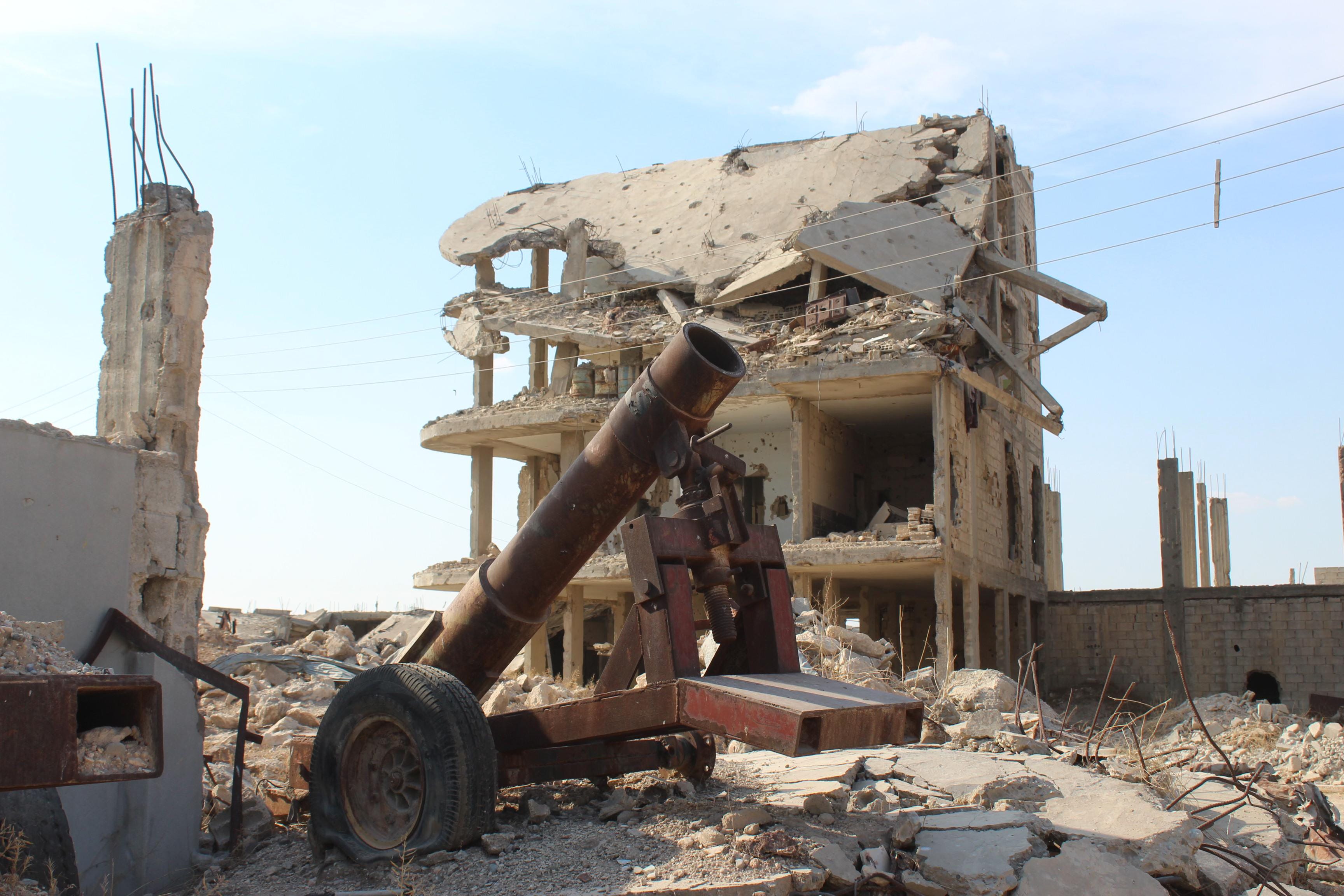
Politicians pass, wars come and go. What matters here is that the political consciousness and organization of the people grow. The ideas of democratic confederalism have been confirmed and put into practice in Rojava, with many important lessons learned that the Kurdish movement will continue developing and improving. It is also important to remember that the Rojava revolution was possible thanks to the experience gathered over decades of revolutionary struggle. The Autonomous Administration was founded on the experience gathered from the municipalist efforts of the Kurdish movement in Bakur, Turkey. And all that has been learnt in Rojava may be a springboard for what can develop over the next few years in Rojhilat, in Iran.
Unlike its early nineteenth-century version, which was for the most part emancipatory, contemporary nationalisms tend to be reactionary: exclusionary if not outright xenophobic, patriarchal, symbiotic with capitalism. Why has Kurdish nationalism turned out so different?
With the rise of the nation-state after the French Revolution, nationalism became a powerful strategy. Popular classes and the emerging national bourgeoisie found themselves building an inter-class alliance against the old nobility. The ideas were perfected over a few centuries until today, building on a narrative of defense of national interests against national threats. But who comes to decide what is a “national threat”? For the the Kurds, the biggest stateless people, whose territory has been divided between four nation-states, resistance became a fundamental dimension of their national identity.
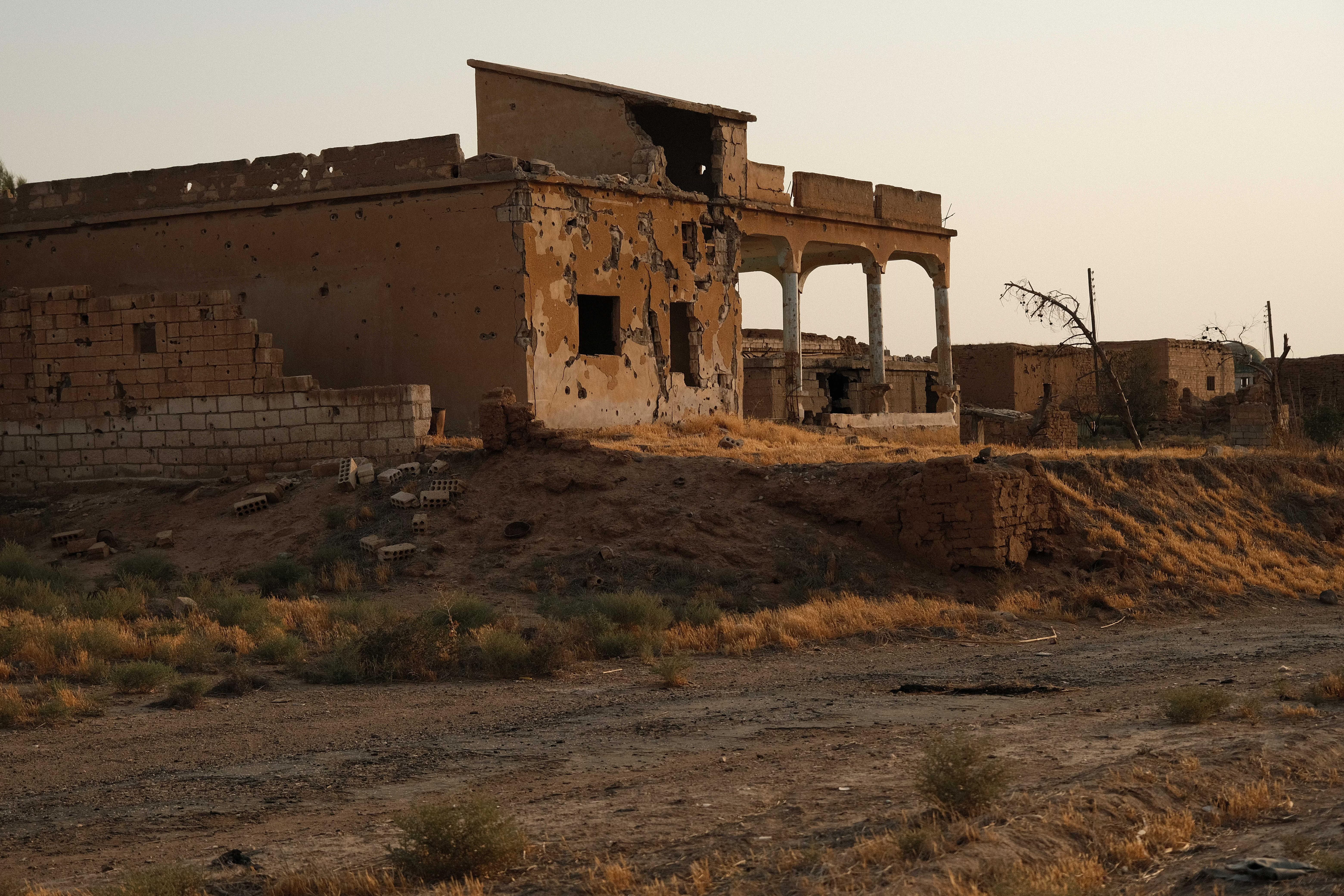
In many states, national identity is the social glue that holds together systems of domination, with those in power assuring those exploited that they are on the same side. For a colonized people, who knows the stick well but is never given the carrot, rebellion is not only possible but necessary. Therefore, building a revolutionary culture is not just a choice, but an existential necessity. Kurdish nationalism can have many forms, but the decades of struggle by the freedom movement hace forced them to reflect what is needed to build a free society. The Middle East is a mosaic of peoples, most of whom have historical roots in overlapping territories. To work towards coexistence and a lasting peace, it is fundamental for different peoples to live as neighbors. Autonomy and emancipation from the patriarchal nation-state model is not a utopia, it has been the daily life of millions over the last decade in Rojava. That is something that makes important changes, not just in daily life and material conditions, but also in the political horizons and dreams of the people. The movement got stronger than ever, cultivating a network of international diplomacy and solidarity never seen before. Revolutionary movements from all over the world are now in direct dialog with the Kurdish movement, discussing next steps to take.
Do you see any light in this very long tunnel? What is the DAANES’s long game given the immense constraints? Do you see the so-called peace process happening in Turkey right now as a possible source of relief to Rojava? Anything our readers and other foreign leftists can objectively do?
There is always light at the end of the tunnel; in other words, revolutions are built on hope. Nevertheless, material conditions and organized movements are what often makes the difference between a revolution and a massacre. Through its pragmatic maneuvering, DAANES has been able to preserve the lives of Kurds and other minorities in the region. The extent of that achievement tends to be overlooked. If it had not been for the strength and negotiation power of the SDF and DAANES, we would have seen a massacre of thousands or tens of thousands. The peace process in Turkey is heavily tied in with this situation; we may even say that in part it was initiated as a way to lessen the pressure on Rojava, maneuvering to escape the constant threat of a Turkish military occupation. The lives saved are something to celebrate already.
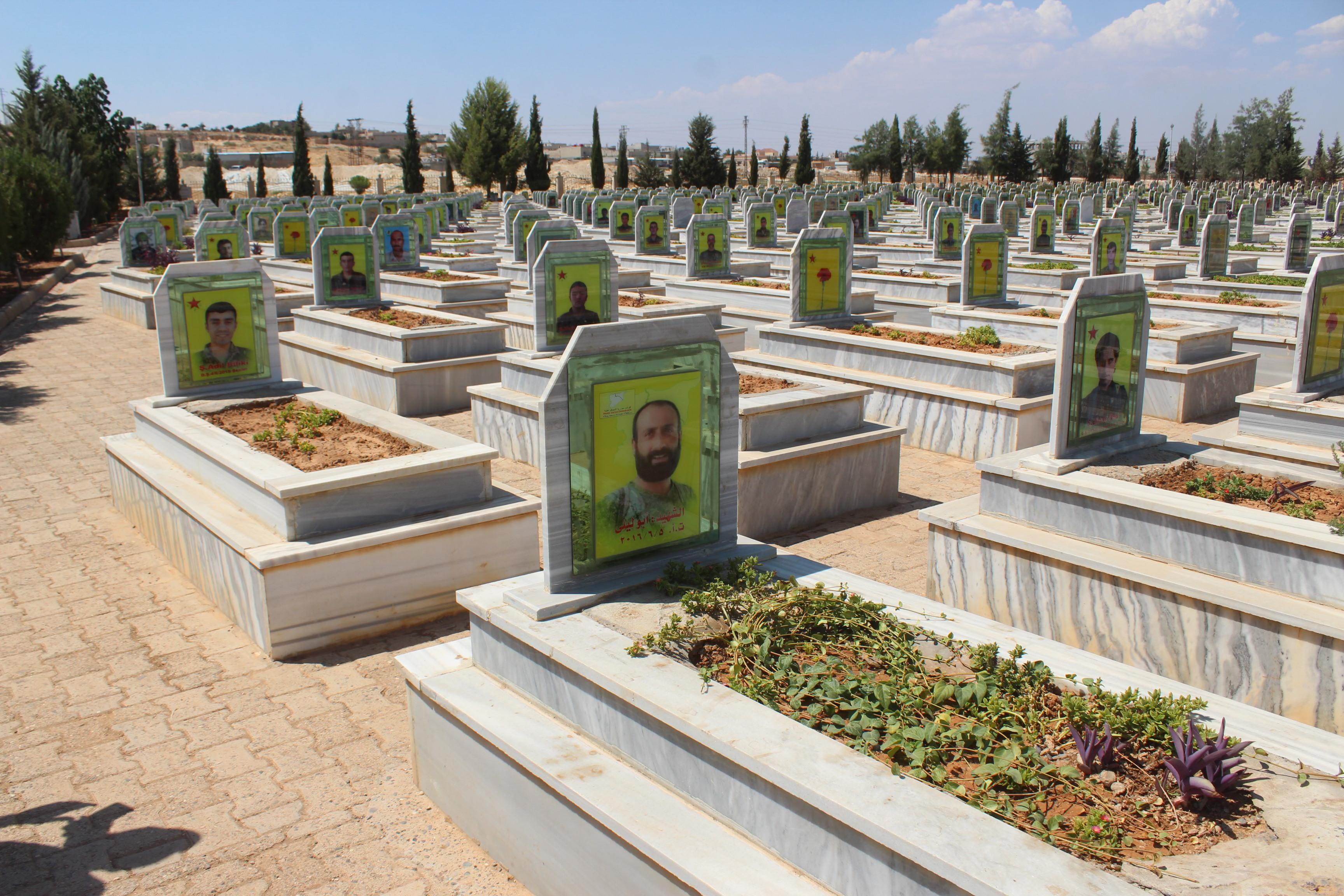
There is no space for purist keyboard ideologues here. The lives of millions are in the hands of DAANES. The jury is still out on the final results of its re-integration with al-Sharaa’s Syrian Arab Republic, which will become clearer in the months and years to come. There are some small successes, such as the recognition of DAANES-issued school diplomas, as well as the presence of DAANES/SDF officials on high-level international political stages such as at the security conference in Munich and at the EU in Brussels. The fundamental win of this revolution is that the Kurdish existence in Syria is now an undisputed fact; no one can pretend otherwise anymore. They got their seat at the table, now we will see how well they are able to play the game.
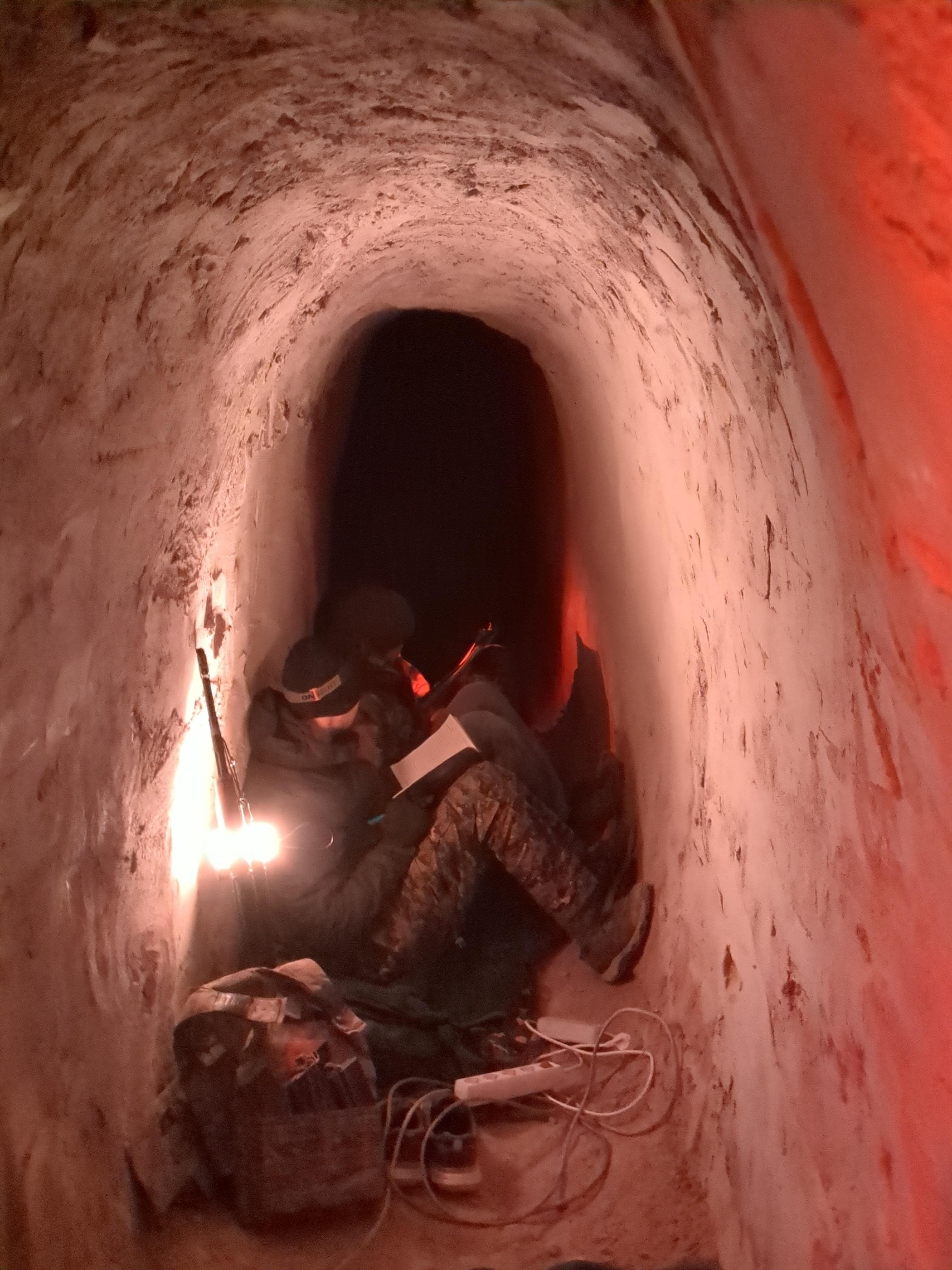
Rojava contributed to a rebirth of internationalism, not just in theory but in practice. It became a source of hope, not just for the heroic resistance of many women and men against terrible enemies. It is also an example of decentralization and local autonomy, with models based on grassroots democracy and municipalism. Kurdish comrades showed the world that commitment and organization are key to success, and that revolutions are still possible. It’s now also our responsibility to not just learn from this revolution, but to spread it.
To do that, the most important task is to build strong local movements rooted in the reality and daily life of the people. Those movements need to think long term, understanding the social conditions and problems that people are experiencing while struggling to solve them. Solutions to social problems are what brings people together, empowering and inspiring those who struggle. Achievable short-term victories are important to politicize and celebrate success, but commitment to a long-term struggle is what in the long run can bring real transformations.
i feel like if you leave out of the equation the support of the most powerful state in the world ie usa supporting the stateless projectof rojava you kind of get a different perspective of rojavabeing some kind ofproof of concept for statelessness - people should be honest about this and the pros and cons of borrowing an army from apowerful state with its own interests since those interests stopped aligning and while i sincerely hope it works out, the revolution of chavismo and cuba have had to do all this stuff far longer without the help or neutrality and support of the fourth reich army...
and for all the talk of process etc how much actual land reform or anti capitalist redistribution has been done inside the bordersof.rojava? outsideof the kurds howmuch support do they have?
finally if pkk aligned militias are arming and supporting your allegedly stateless project, are you actually stateless?
please understand that i am not critiquing what people have done to survive. but the claim that rojava is some proof of concept of stateless anarchism despite having borders prisons a leader and being materially integrated with the israelbacked form isis fascist is ridiculous.
if theyd just built an actual state.they would have had zero.support from the us or western anarchists but at least their fate would not be in the hands of jolani, israel and the usa.